Step 1
Electroless deposition
Nickel is deposited chemically, without external current – so the layer grows evenly, with no build-up on edges.


Furnace brazing, bright annealing and nickel diffusion coating · Balçık since 1959
T +90 312 814 51 20
F +90 312 814 51 29
Email: b@balcik.com
Balçık Isı Elemanları Sanayi Ticaret A.Ş.
Fatih Mh. Turgut Özal Blv. No:50
06980 Kahramankazan, Ankara · Türkiye
Nickel diffusion coating
An electroless nickel layer is deposited on the stainless or steel part and diffused into its surface by heat treatment. The result is an adherent, nickel-rich surface that resists chlorides, detergents and scale.
We apply it to heating-element sheaths for washing machines and water heaters every day – a lower-cost alternative to an Incoloy 825 sheath in hard water – and to stainless and steel parts from other manufacturers.
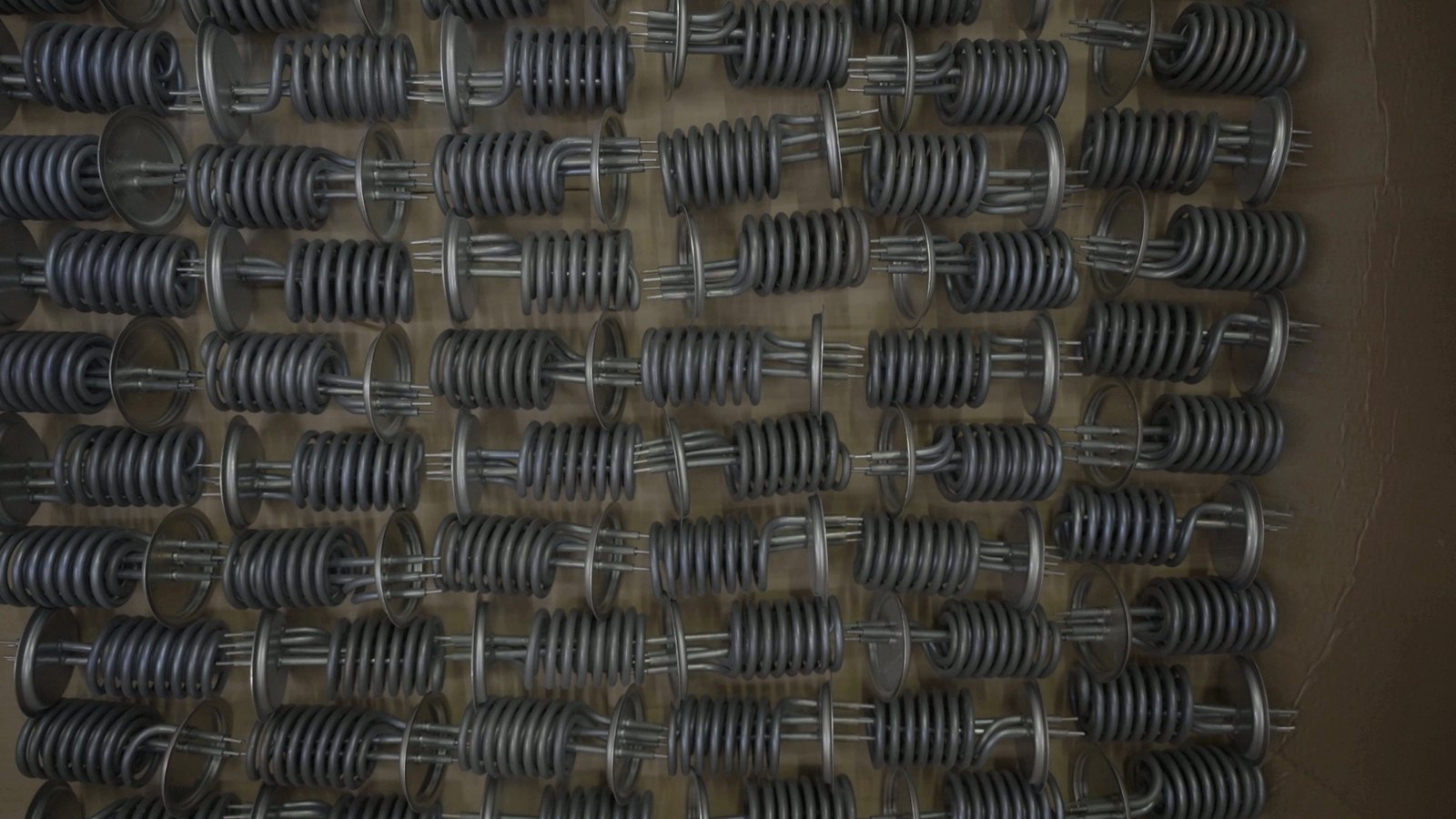 Water heating elements
How it is made
The layer is built up chemically and then bonded into the surface by heat – it does not sit on the part like a plated skin.
Step 1
Nickel is deposited chemically, without external current – so the layer grows evenly, with no build-up on edges.
Step 2
Heat diffuses the nickel into the surface: the layer is bonded to the base metal and stays adherent in service.
Where it helps
Limits
Test evidence
Corrosion depends on medium, temperature and load, so we do not quote a single corrosion rate. The coating is verified on samples and tested under the conditions you specify.
Results are reported per project, for the medium and conditions agreed with you. Background: nickel diffusion coating technology.
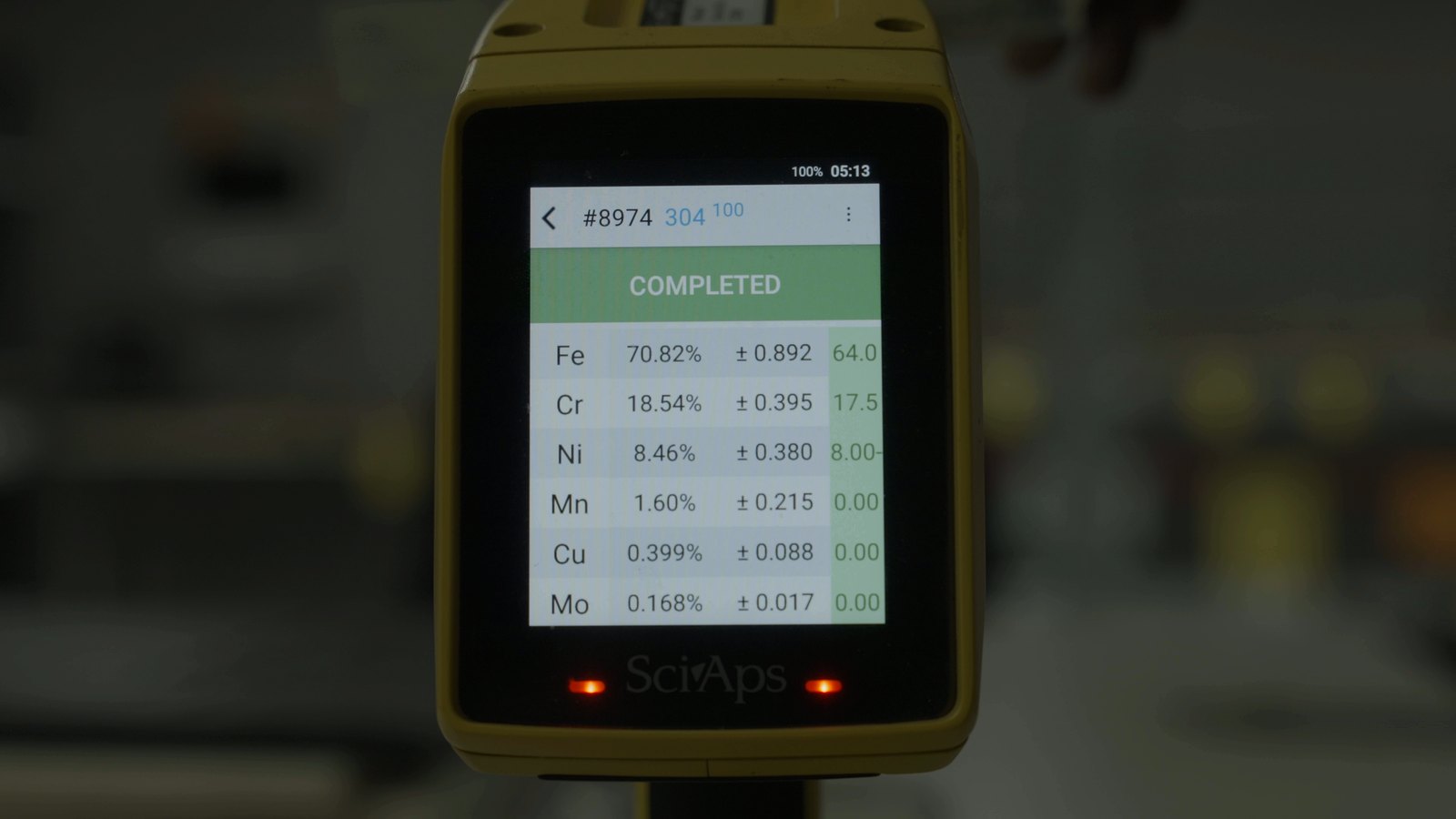 Validation laboratory
Send a drawing or sample parts with the operating conditions – we propose the coating route and the tests.
We use essential cookies to run the site and, with your consent, functional cookies for language selection and embedded maps. No advertising or profiling cookies are used. See our Cookie Policy and KVKK / privacy notices.
Sitenin çalışması için zorunlu çerezleri; onayınızla dil seçimi ve gömülü harita için işlevsel çerezleri kullanıyoruz. Reklam veya profilleme çerezi kullanılmaz. Çerez Politikası ve KVKK aydınlatma metinleri.